
Cable & 12V Electrical Accessories
Everything to wire your dual-battery, solar and 4WD setup the right way — tinned cable, busbars, fuses, Anderson connectors, switches and the full Alvolta range. Browse by category, all in stock in Townsville.
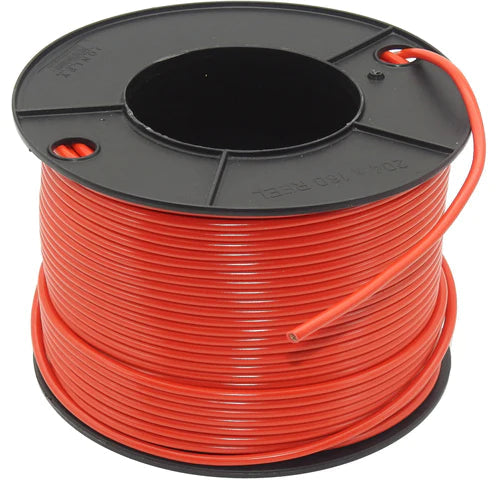
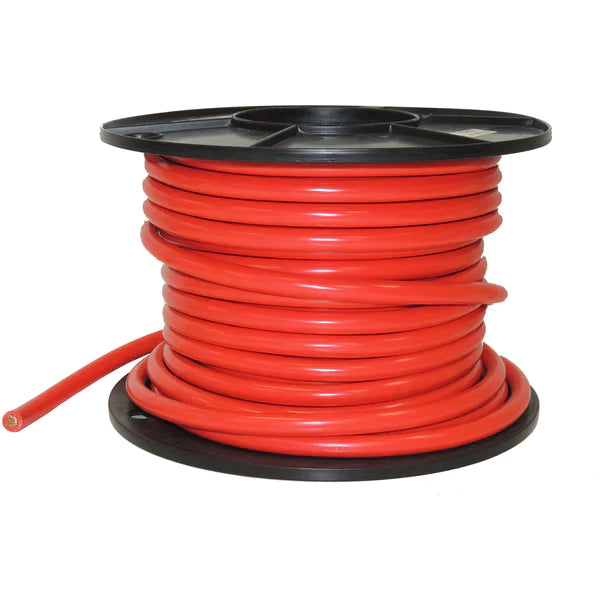
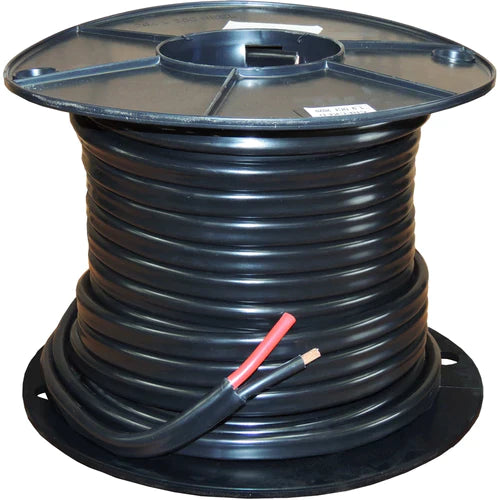
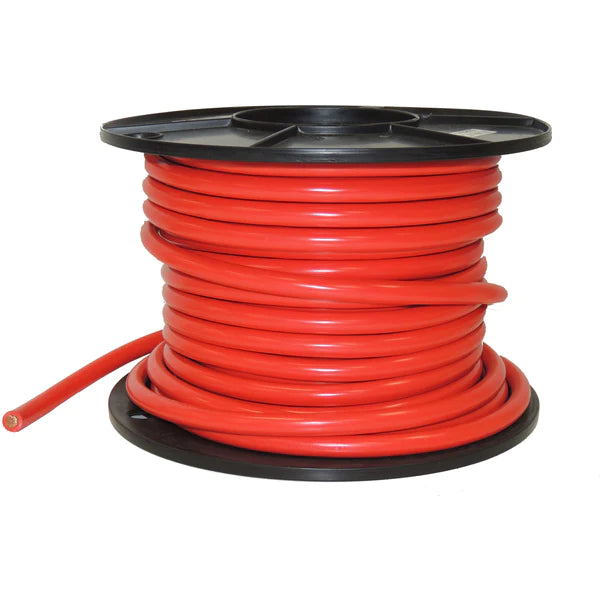
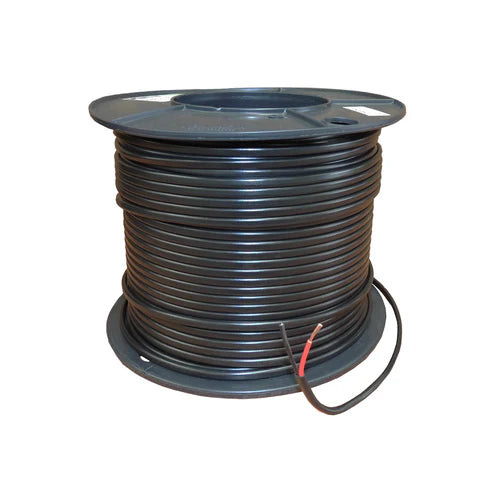
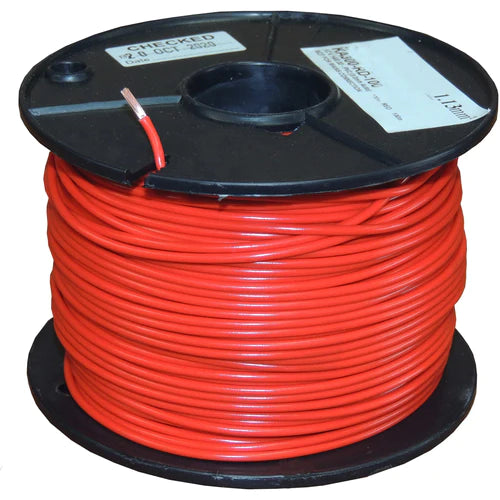
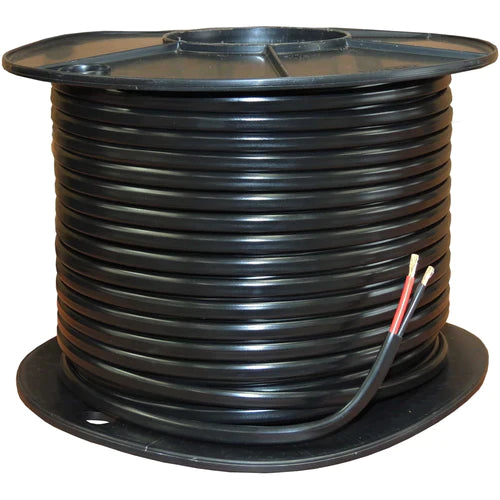
Size the cable
Thicker cable means less voltage drop over distance — match the gauge to the current and run length so your gear gets full power.
Fuse everything
Fit a fuse close to the battery on every circuit. It protects your wiring and gear if anything ever shorts out.
Built for the tropics
Use tinned, marine-grade cable and sealed connectors to stand up to North Queensland heat, salt and corrosion.
Tidy terminations
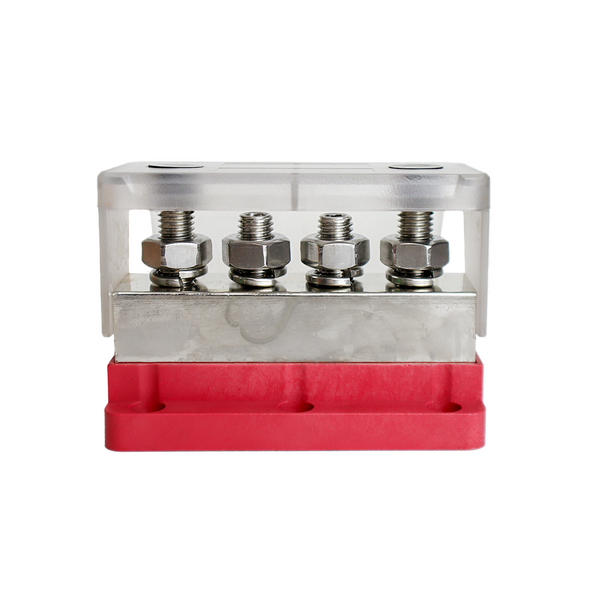
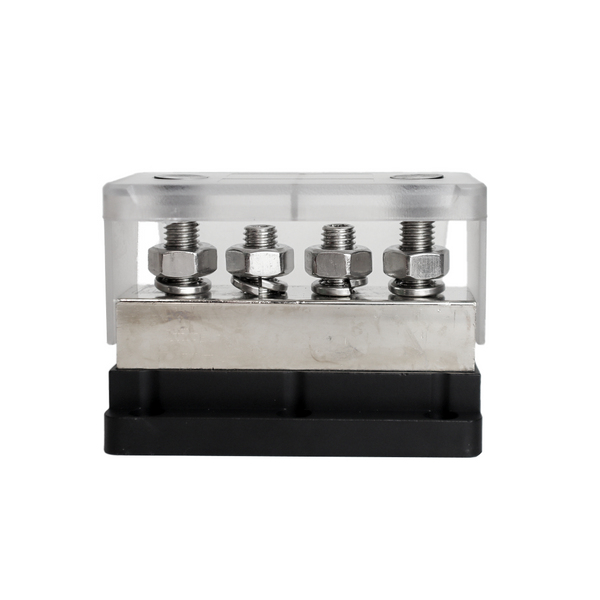
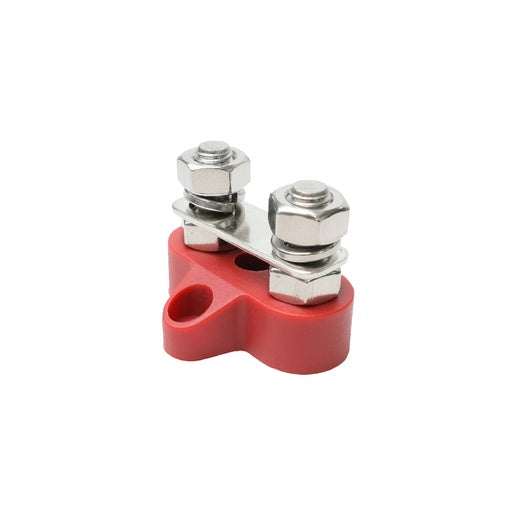
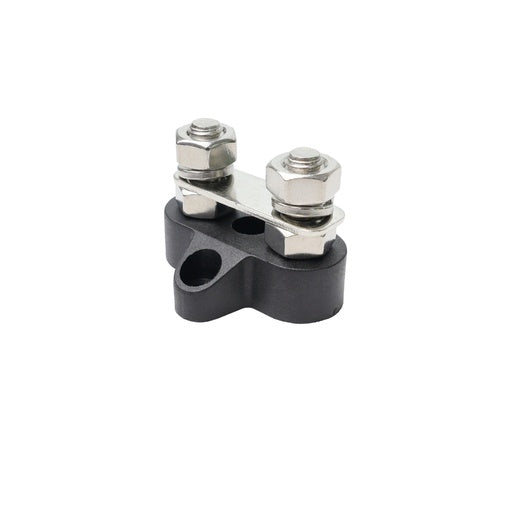
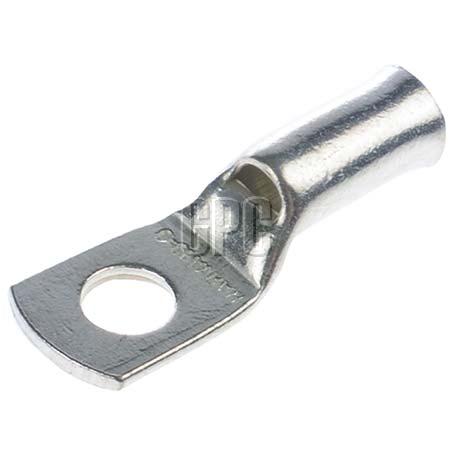
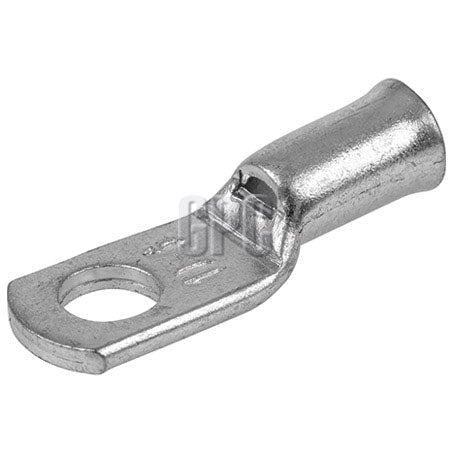
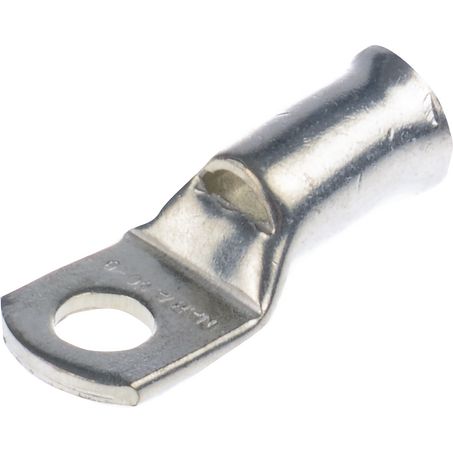
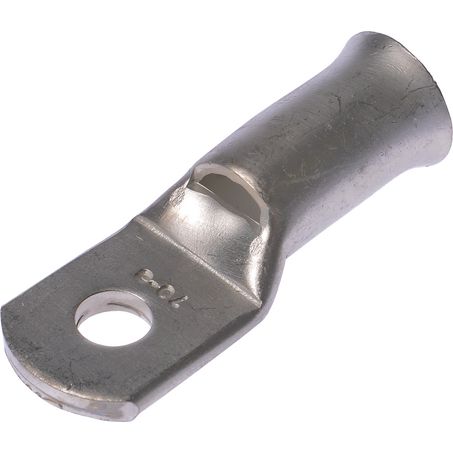
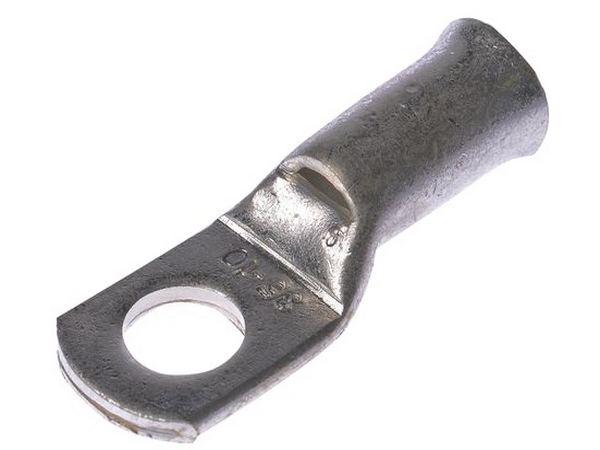
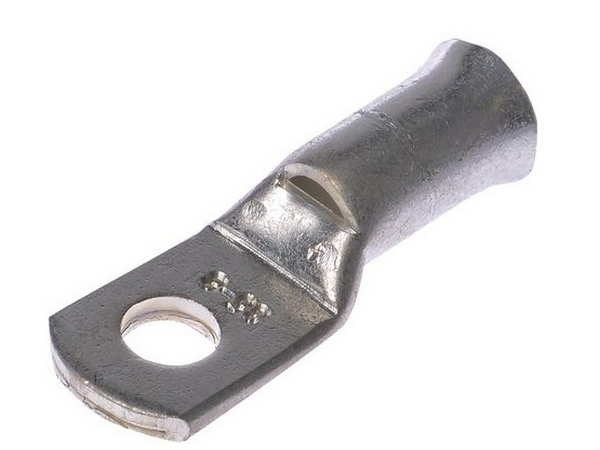
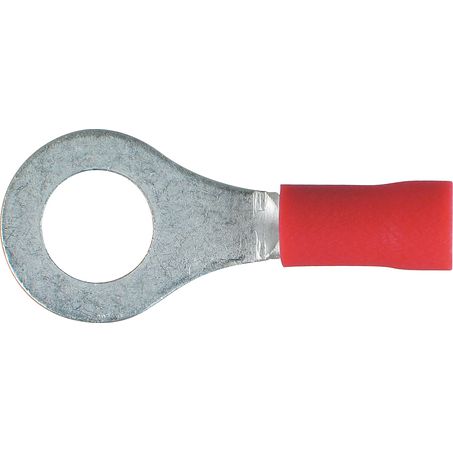
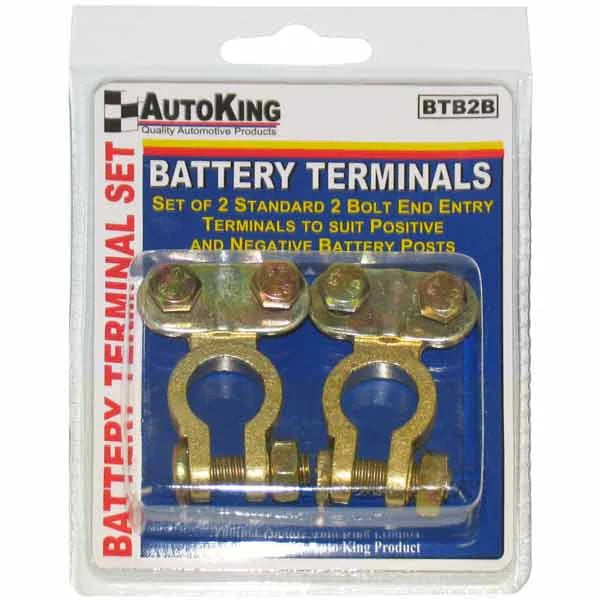
Crimp and heat-shrink proper lugs, and use busbars and distribution blocks for a clean, reliable, serviceable loom.
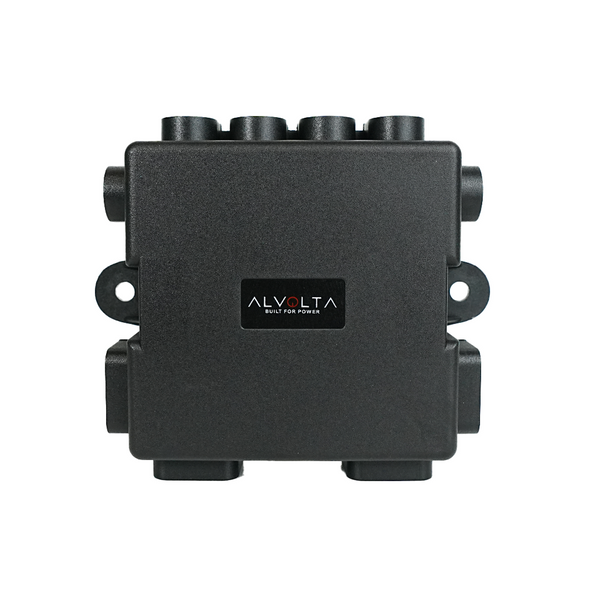
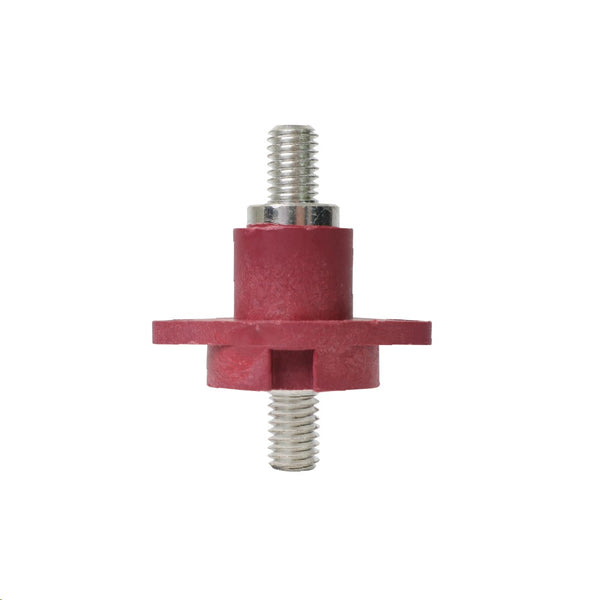
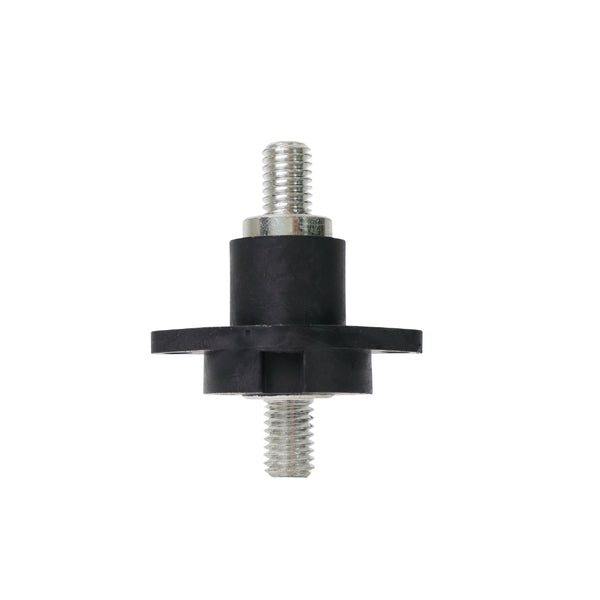
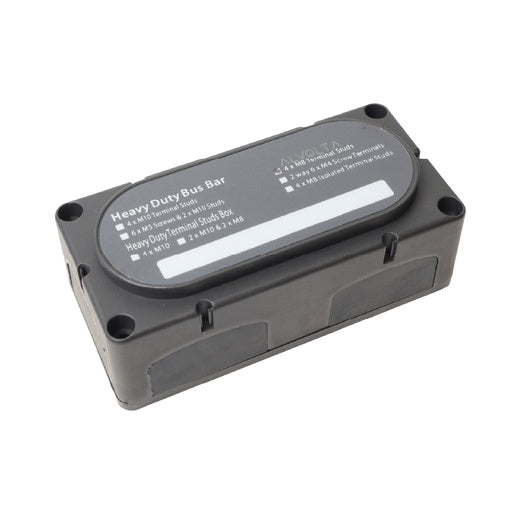
Townsville Wholesale Batteries stocks the wiring gear behind dual-battery systems, caravan and camper fit-outs, marine installs, solar setups and 4WD builds — tinned automotive and battery cable, Anderson-style connectors, fuses and circuit protection, busbars, isolators, lugs, heat shrink and 12V accessories, including the full Alvolta range. It is all held here in Garbutt, so you can pick it up the same day instead of waiting on a courier from down south.
Choosing a cable size. Two things decide the size you need: how much current the circuit will carry, and how far the cable has to run. A long run at high current loses voltage along the way, so a DC-DC charger 5 metres back from the crank battery generally needs heavier cable than the same charger mounted next to it. 8 B&S and 6 B&S cover most dual-battery and DC-DC runs, while 4 B&S, 2 B&S and 0 B&S get used for inverters, winches and battery-to-busbar links. If you are not sure, bring us the current draw and the run length and we will size it for you.
Why tinned cable matters up here. North Queensland heat, humidity and salt air are hard on bare copper. Tinned, marine-grade cable and sealed, heat-shrunk terminations resist corrosion far longer than untinned automotive cable, which is why we default to tinned for anything on a boat, a camper or an exposed chassis run.
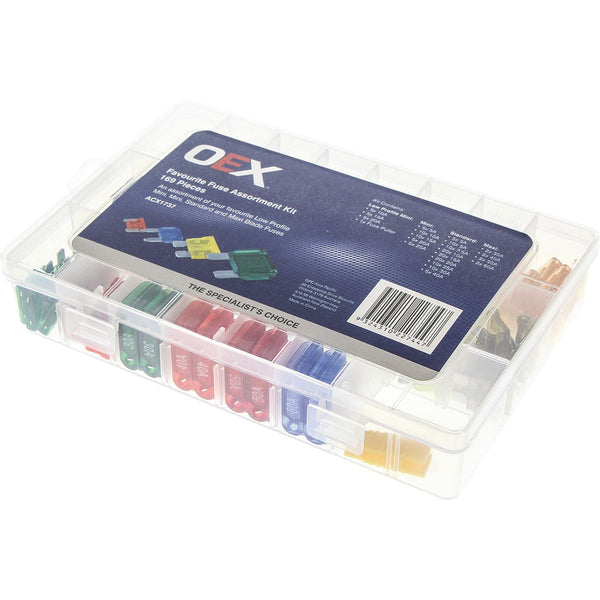
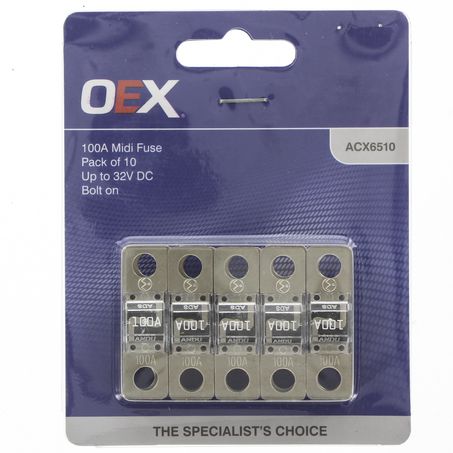
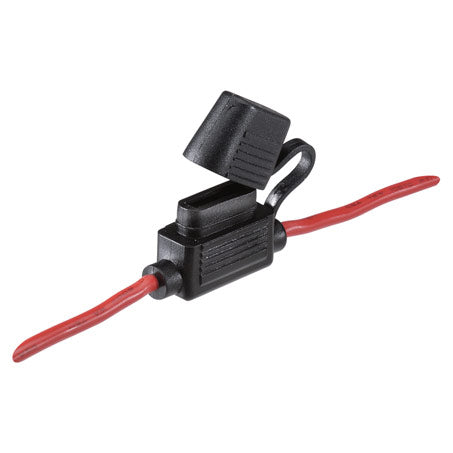
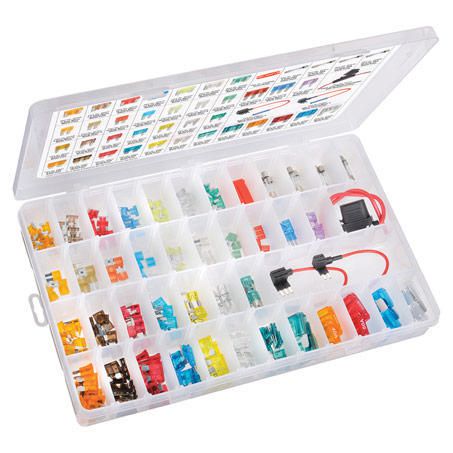
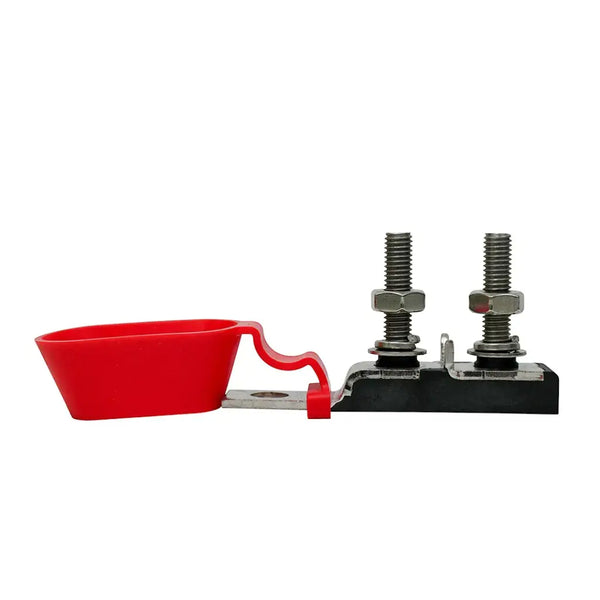
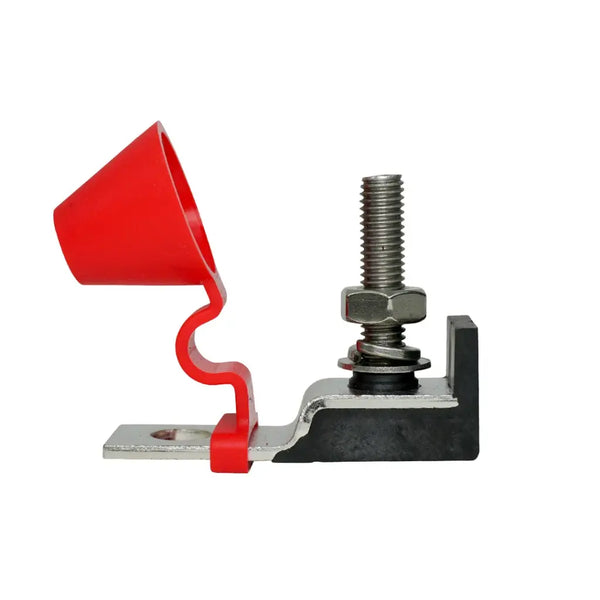
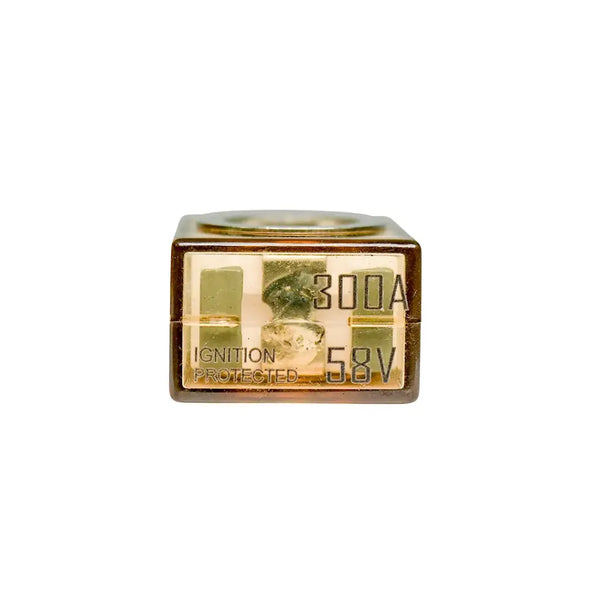
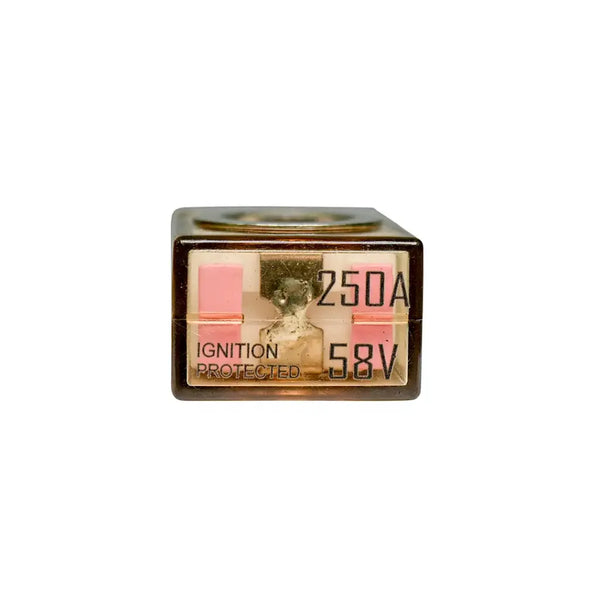
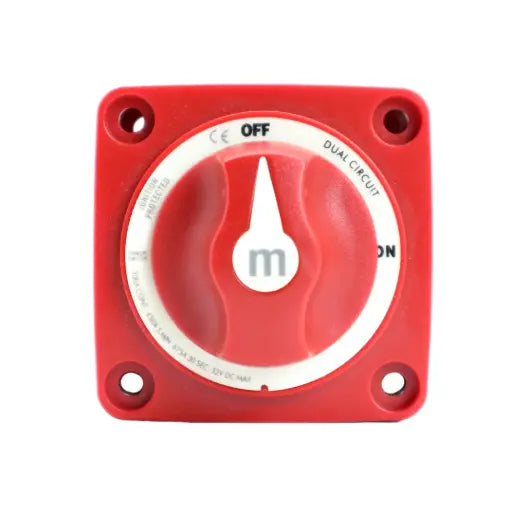
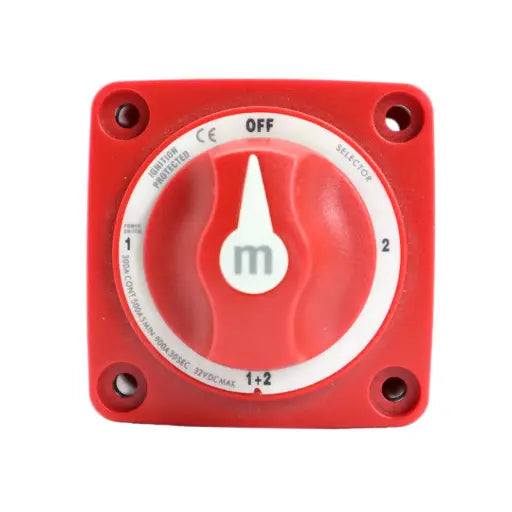
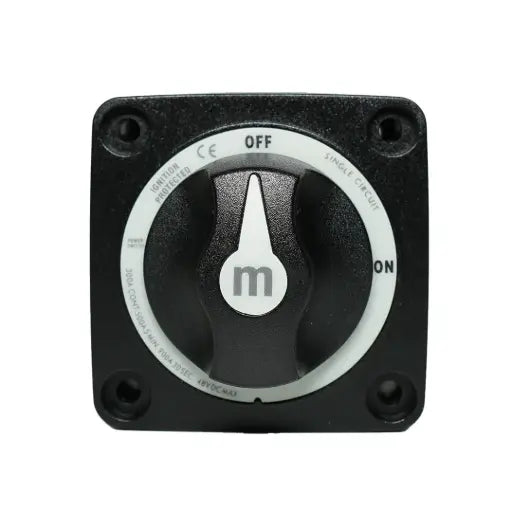
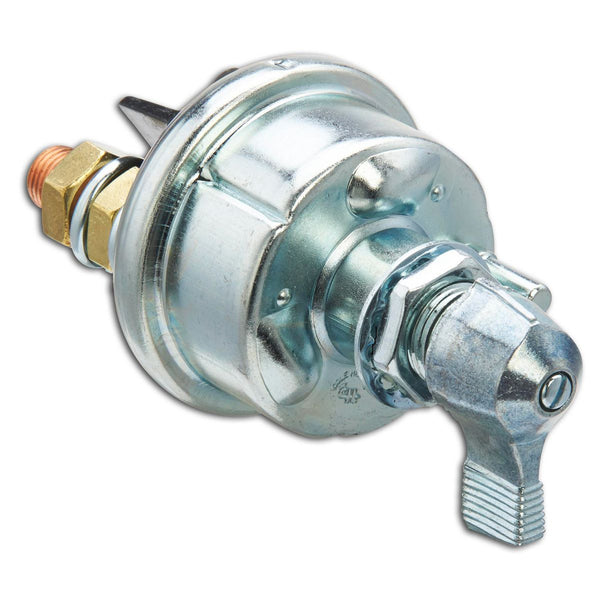
Protecting the circuit. Every cable running from a battery should be fused as close to the battery terminal as practical, sized to protect the cable rather than the appliance. We carry Midi, Mega and ANL fuses, blade fuse blocks, resettable circuit breakers and battery isolators to suit.
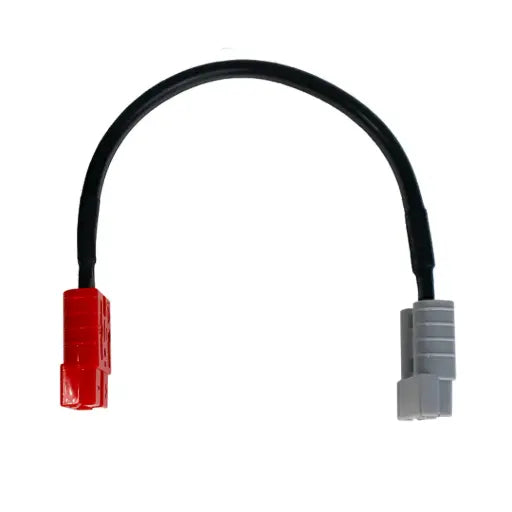
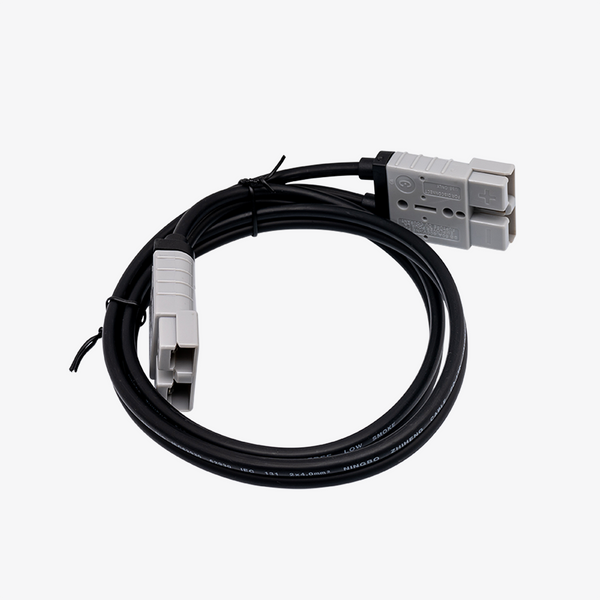
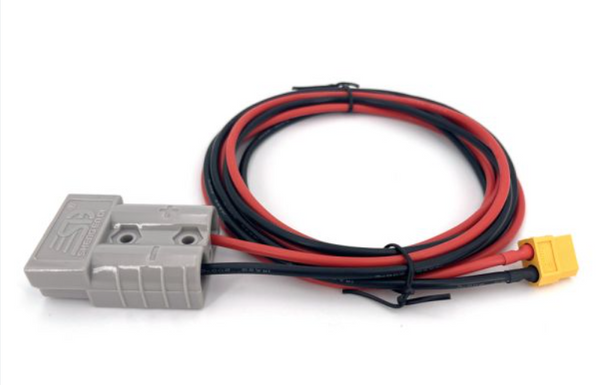
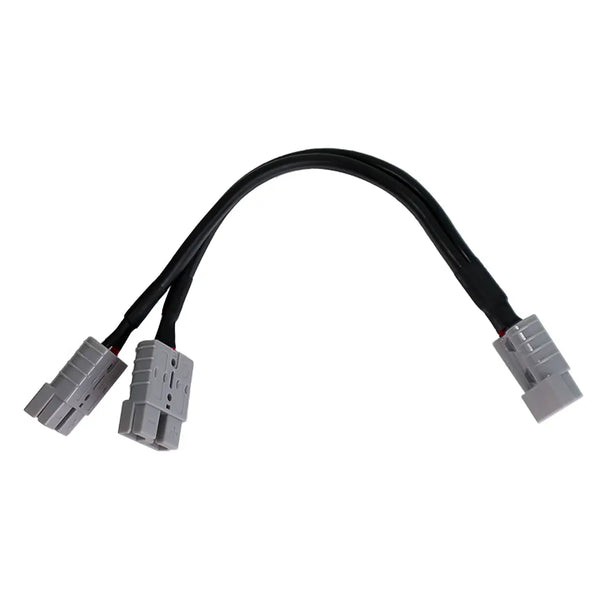
Need it made up? We build custom leads and wiring looms in-store — Anderson extension leads, battery-to-busbar links, crimped and heat-shrunk lugs to your lengths. Request a quote or call in and see us at Unit 1, 66 Pilkington Street, Garbutt.
What size cable do I need for a dual-battery system?
It depends on the current the circuit carries and how far the cable runs. For most DC-DC chargers on a 12V dual-battery setup, 8 B&S or 6 B&S covers the run from the crank battery to the auxiliary battery. Longer runs, higher-output chargers, inverters and winches need heavier cable again — 4 B&S, 2 B&S or 0 B&S. Voltage drop is the thing to watch: undersized cable means your charger or appliance never sees full battery voltage. Tell us the current draw and the run length and we will size it for you.
What is the difference between B&S and mm² cable sizing?
B&S (Brown & Sharpe, the same as AWG) is the traditional gauge system used across Australian 12V and automotive work, where a smaller number means thicker cable. mm² describes the actual cross-sectional area of the copper, so a bigger number means thicker cable. The two systems do not line up exactly, and cable is often sold by overall diameter rather than copper area, so compare the copper cross-section rather than the outside size of the sheath when you are pricing cable.
Do I really need tinned cable in North Queensland?
For anything marine, exposed to the weather, or living under a camper or 4WD in the tropics — yes. Tinned copper resists the corrosion that humidity and salt air cause in bare copper, and corrosion inside a cable raises resistance and creates heat long before you can see anything wrong from the outside. Untinned automotive cable is fine for dry, protected runs inside a cabin or dash.
Where should the fuse go on a battery circuit?
As close to the battery as practically possible, at the supply end of the cable. The fuse is there to protect the cable, not the appliance, so it should be sized to the cable rating rather than the device draw. On a dual-battery run with a battery at each end, fuse both ends. We stock Midi, Mega and ANL fuses, blade fuse blocks and resettable circuit breakers to suit.
Should I use a 50A or 175A Anderson-style connector?
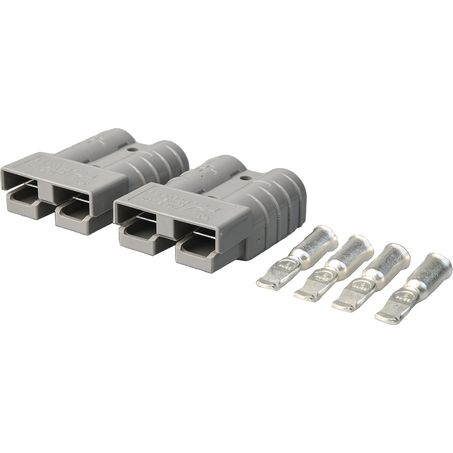
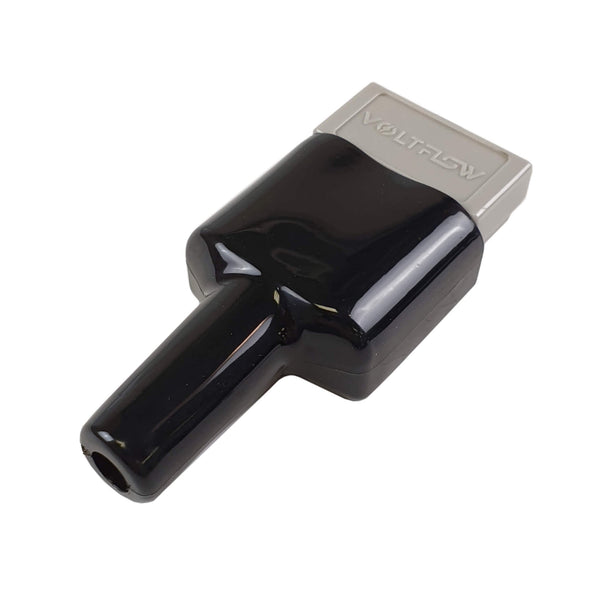
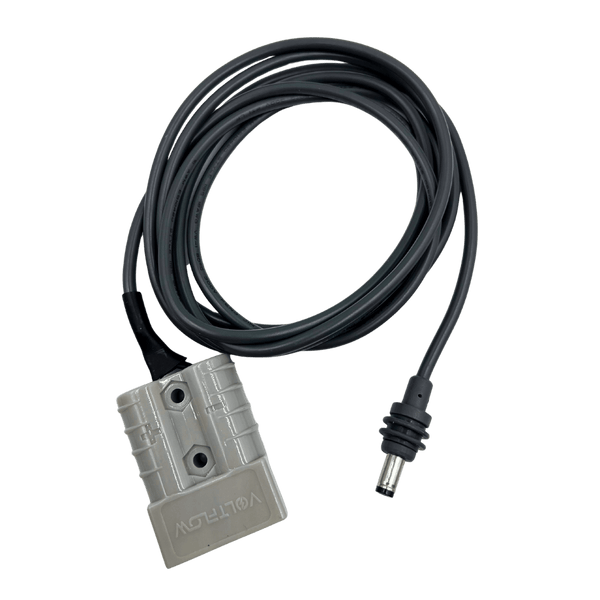
The 50A grey Anderson-style plug is the standard for trailer charging, portable solar panels, camp fridges and general dual-battery connections, and it is what most caravans and campers are already fitted with. Step up to 175A when you are carrying serious current — inverters, winches, large battery-to-battery links or heavy jump leads. Match the connector to the cable you are running, and remember the plug is only as good as the crimp behind it.
Can you make up a custom lead or wiring loom?
Yes. We make up Anderson extension leads, battery-to-busbar links, eyelet and lug terminations and complete wiring looms in-store at Garbutt, crimped and heat-shrunk to your lengths. Bring in your measurements or tell us what you are running and we will spec the cable, fuses, busbars and connectors to suit. Call 0459 364 303 or request a quote online.
Tell us what you're running and we'll spec the cable, fuses, busbars and connectors to suit — or make up a custom wiring loom for you.