
Fuses & Circuit Protection
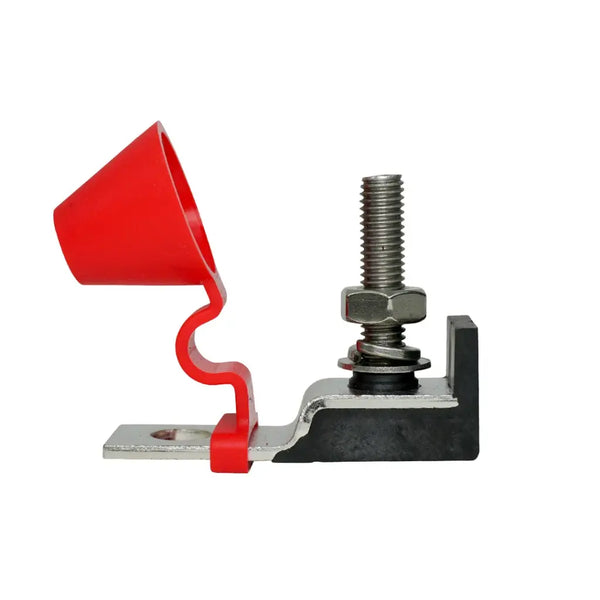
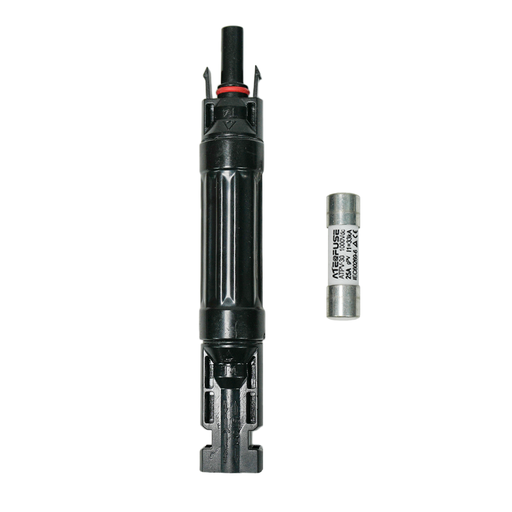
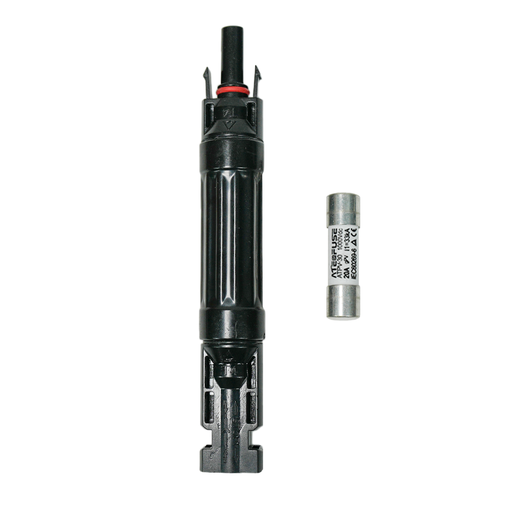
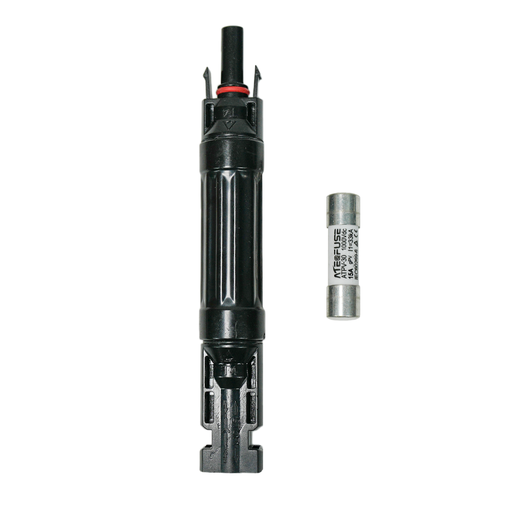
Midi and Mega bolt-on fuses and holders, circuit breakers, blade fuse blocks, ANL inverter kits and solar MC4 fuses — everything to protect 12V and 24V wiring. Browse by fuse type, all in stock in Townsville.
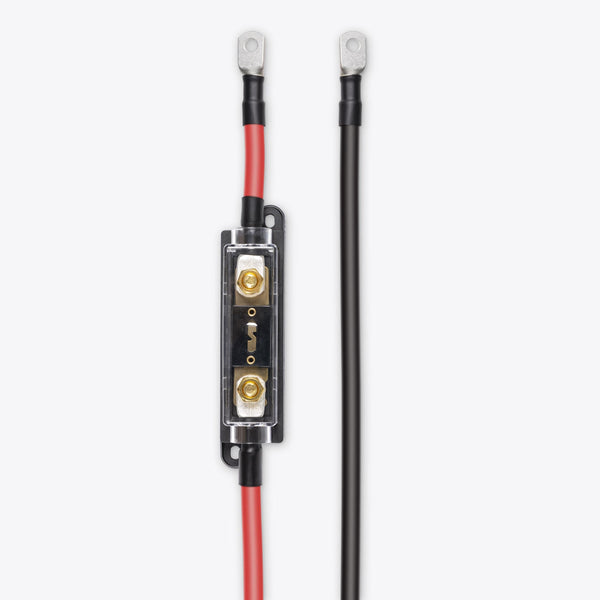
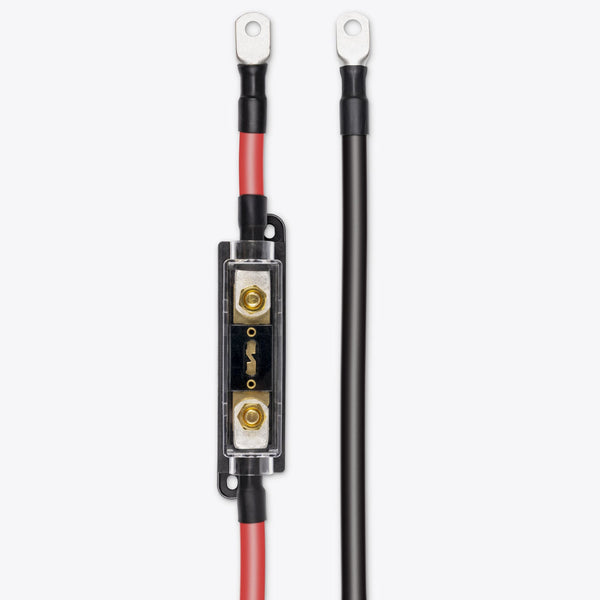
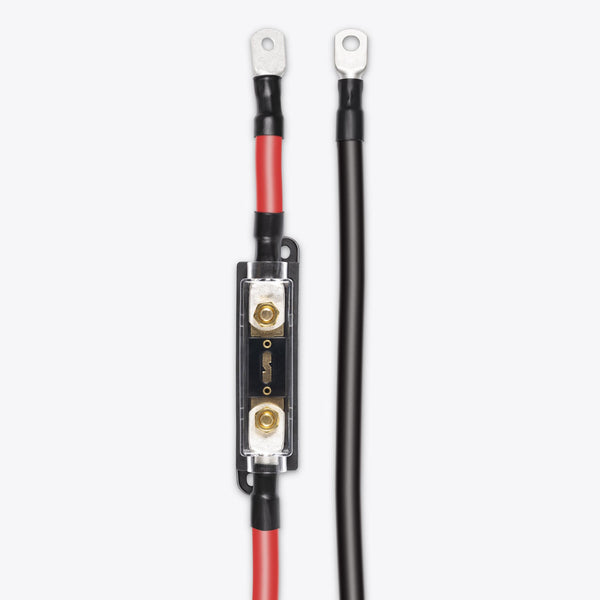
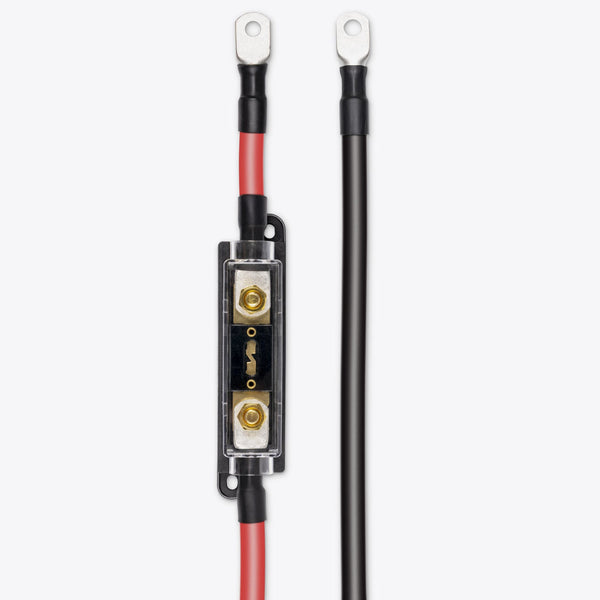
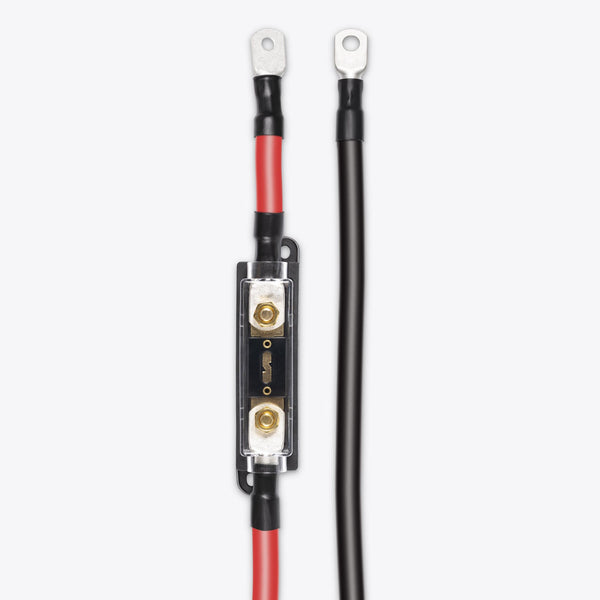
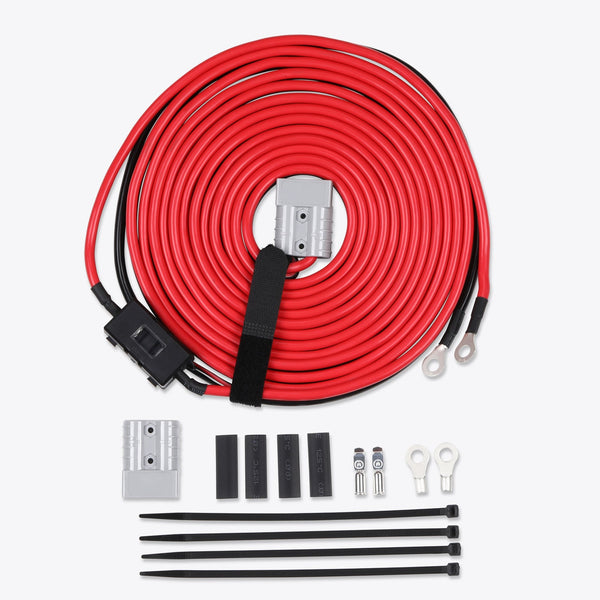
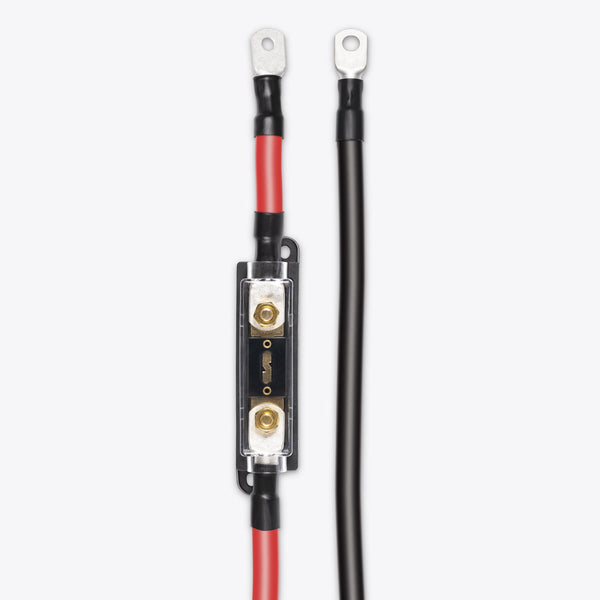
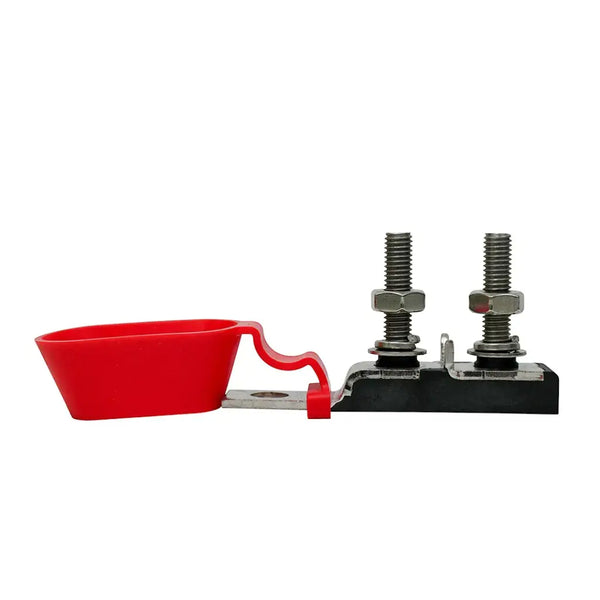
Size it to the cable
The fuse protects the wire, not the gear on the end of it. Rate it to what the cable can carry so it blows before the insulation does.
Fit it at the battery
Mount the fuse as close to the battery terminal as practical. Any cable upstream of the fuse is completely unprotected.
Fuse both ends
On a dual-battery run with a battery at each end, current can flow either way. That means a fuse at both batteries, not just one.
Midi, Mega or breaker?
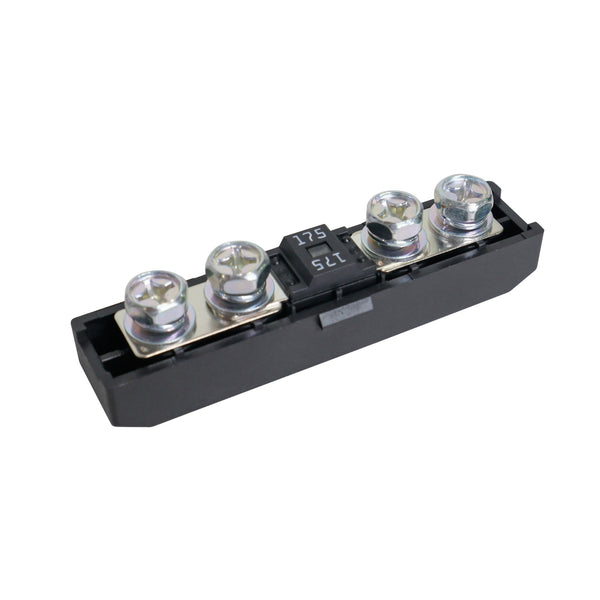
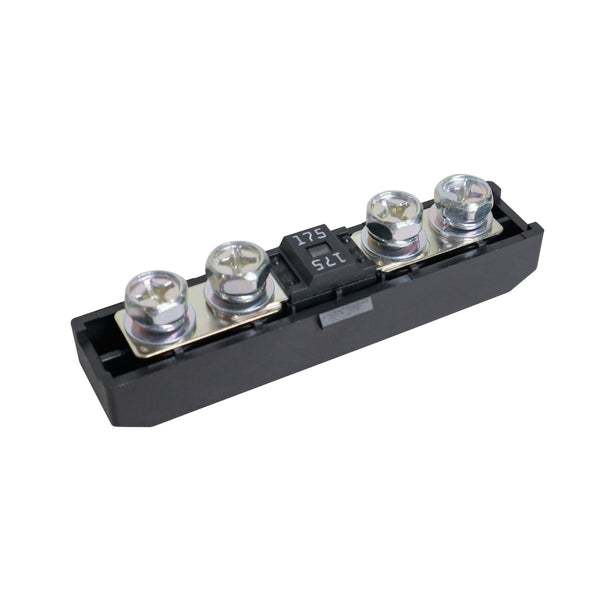
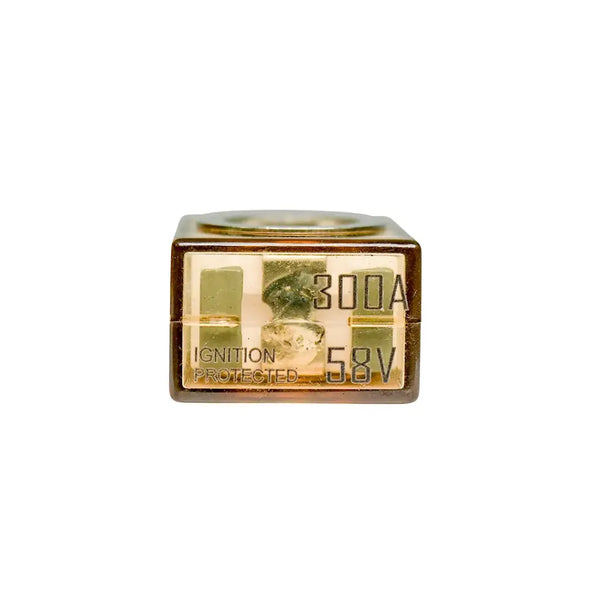
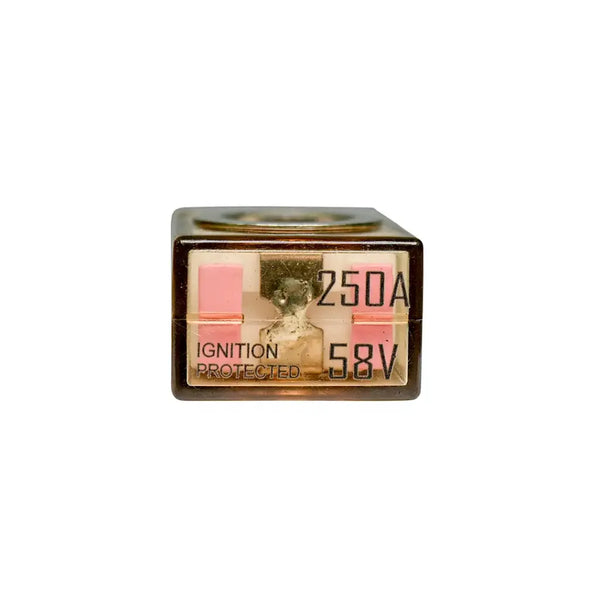
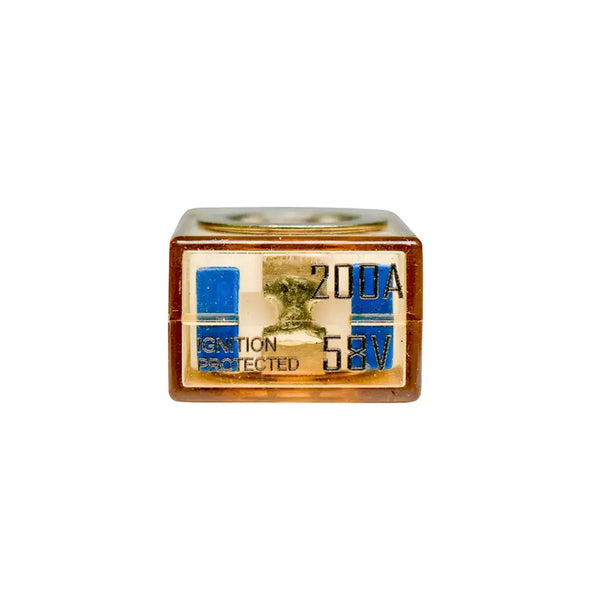
Midi suits 30-200A dual-battery and DC-DC circuits. Mega handles 100-300A inverter and winch feeds. Breakers reset instead of blowing.
Most 12V circuit protection in Australia comes down to three families, and picking the right one is mostly a question of how much current the circuit carries.
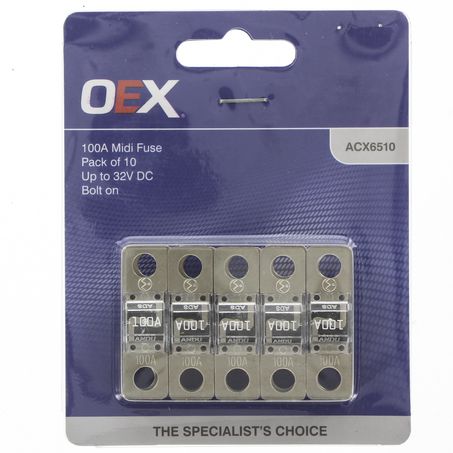
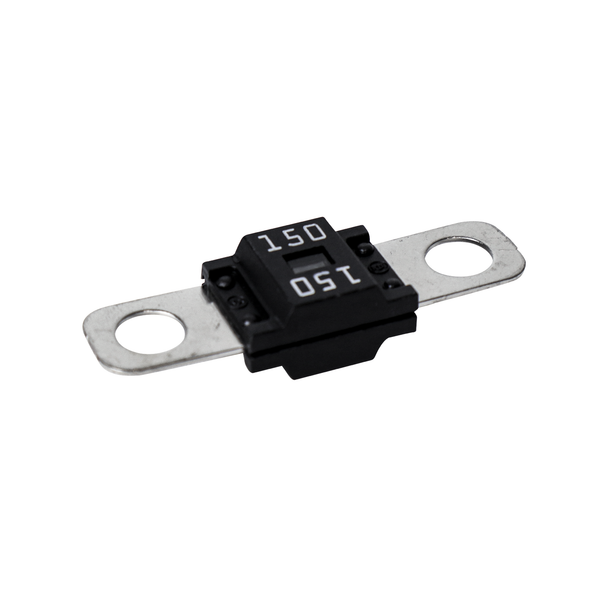
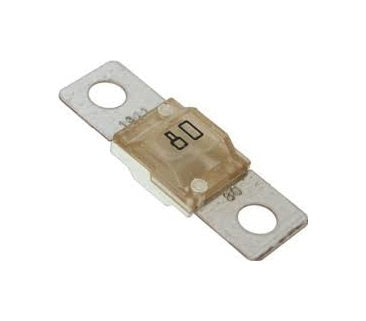
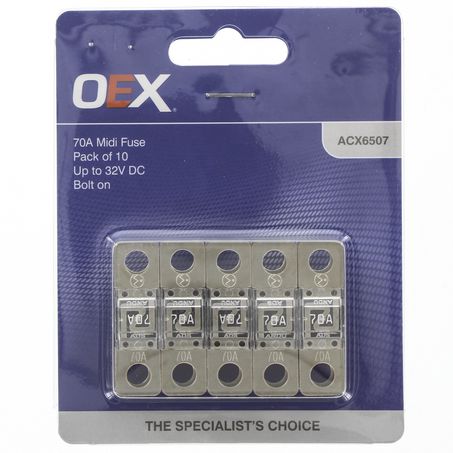
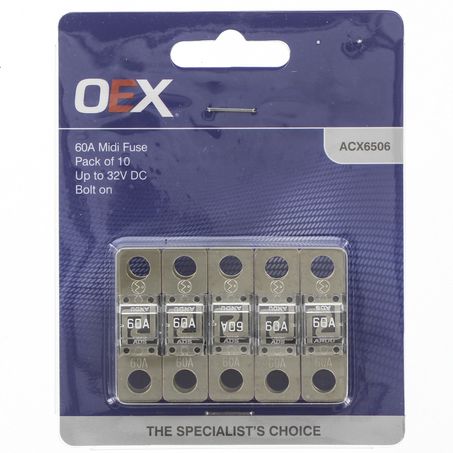
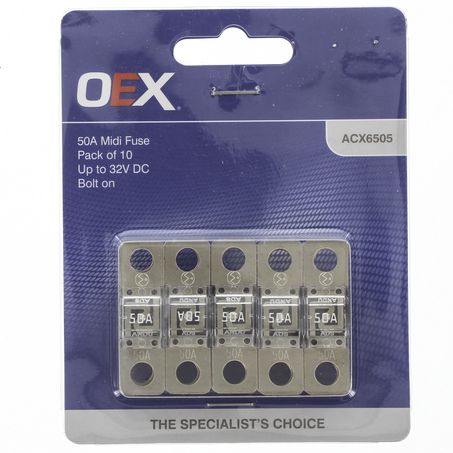
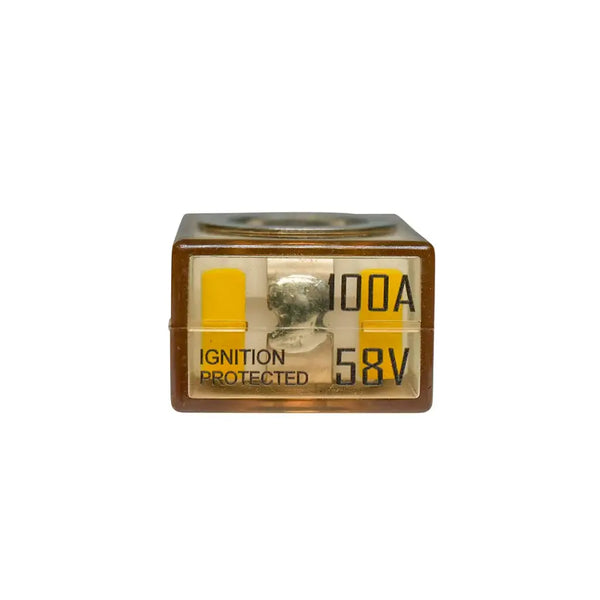
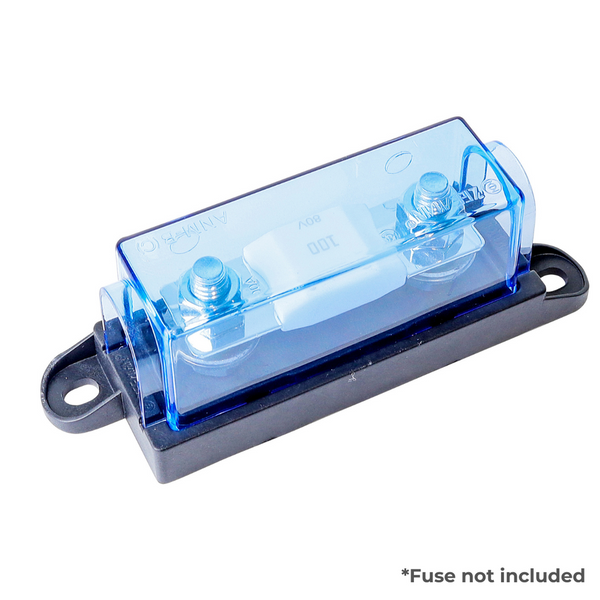
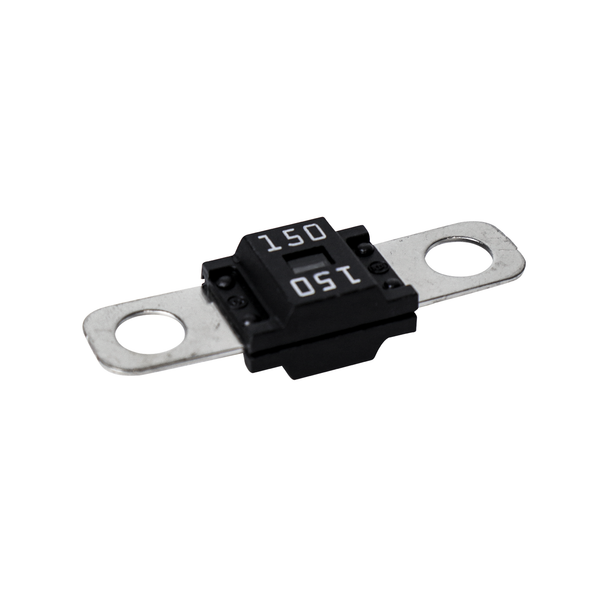
Midi fuses (ANS). The workhorse of dual-battery wiring. Bolt-on, compact, and available from 30A to 200A, which covers almost every DC-DC charger, Anderson feed and mid-current accessory run. If you are wiring a 25A or 40A DC-DC charger, a Midi fuse and holder at each end of the run is the standard answer. We stock singles, 10-packs, and panel-mount, in-line and twin holders.
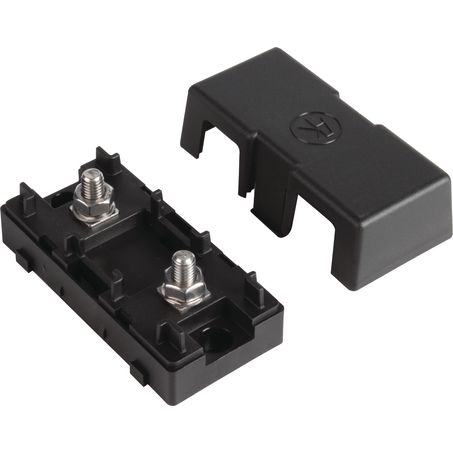
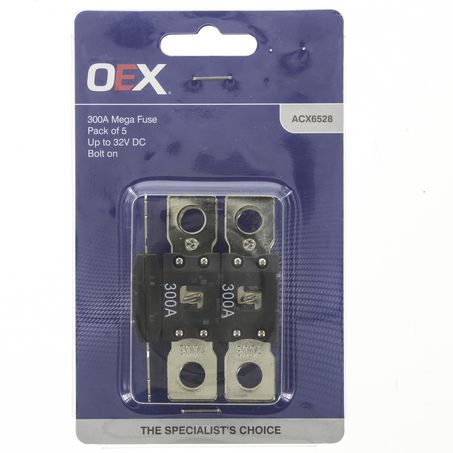
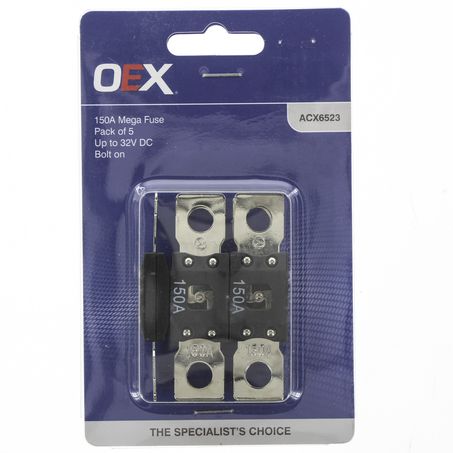
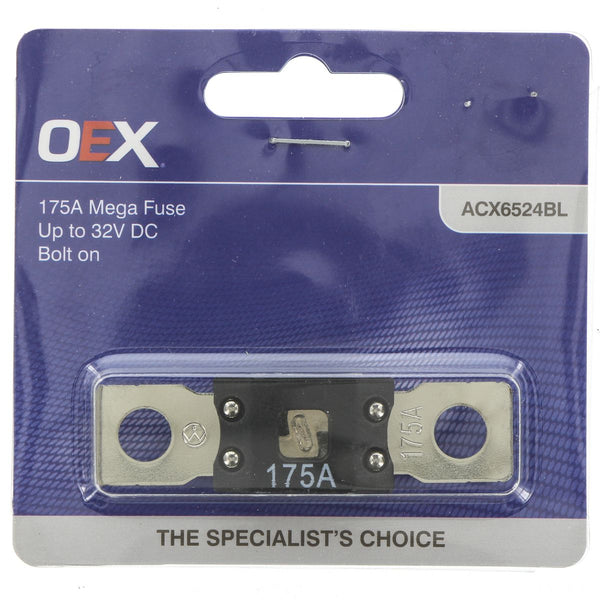
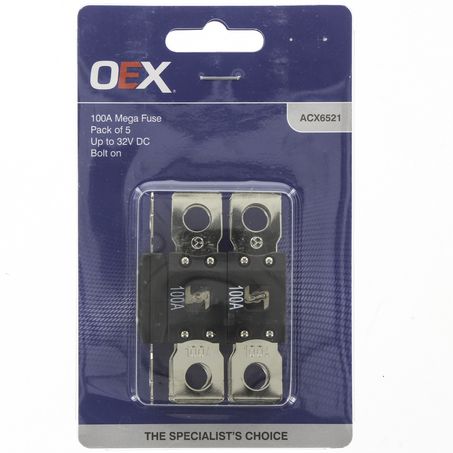
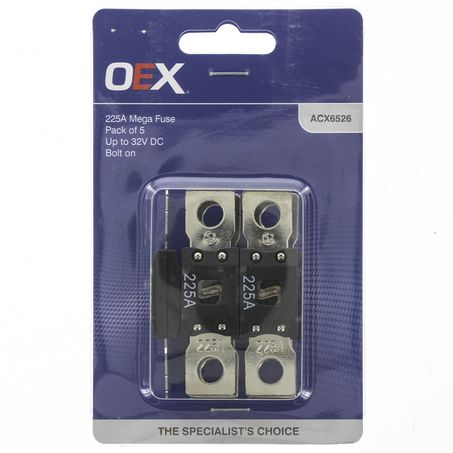
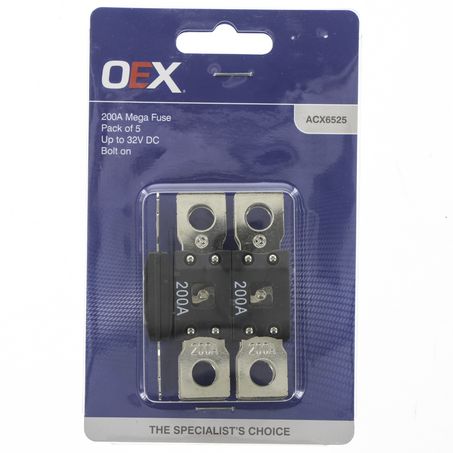
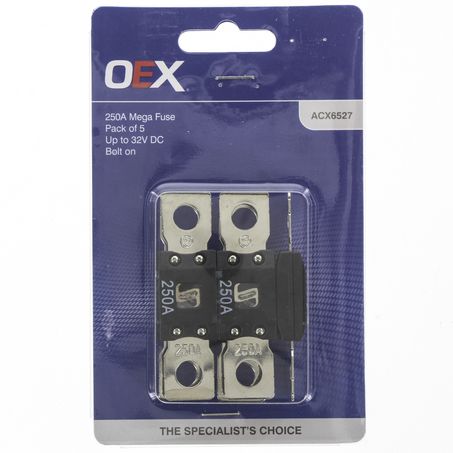
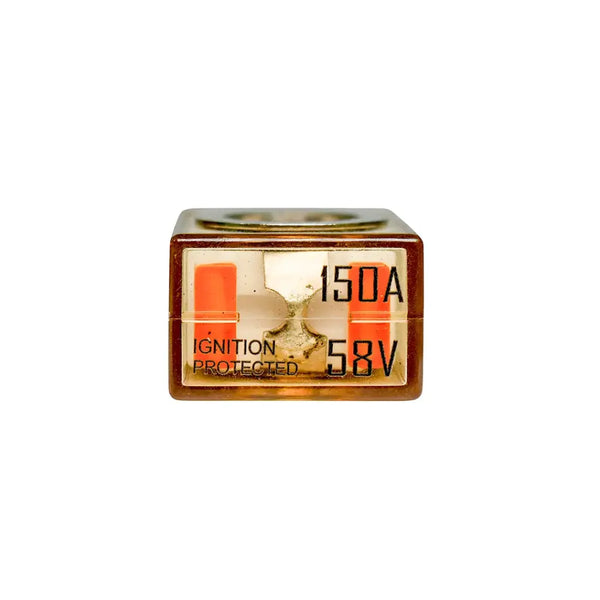
Mega fuses (ANM). The heavy end — 100A to 300A, on 500A-rated holders. This is what protects an inverter feed, a winch circuit, or the main cable from your battery to a busbar. If your cable is 4 B&S or heavier, you are almost certainly in Mega territory.
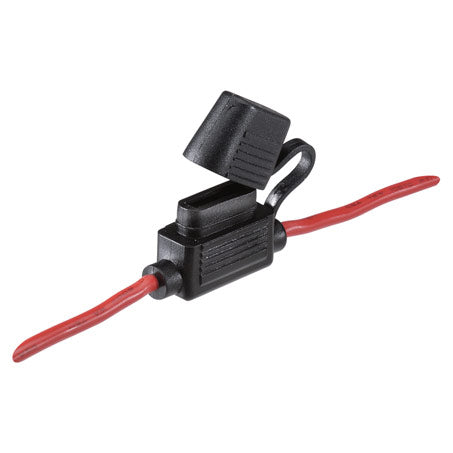
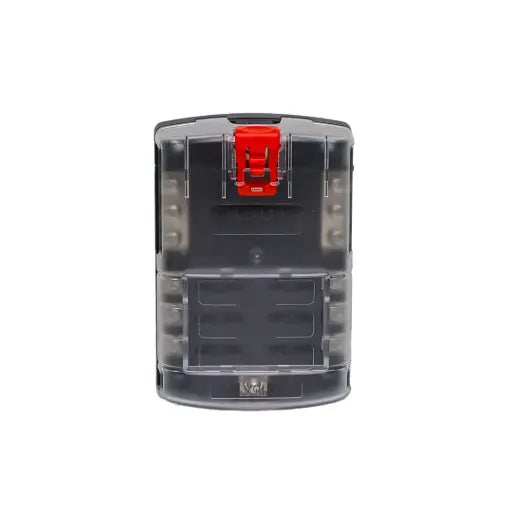
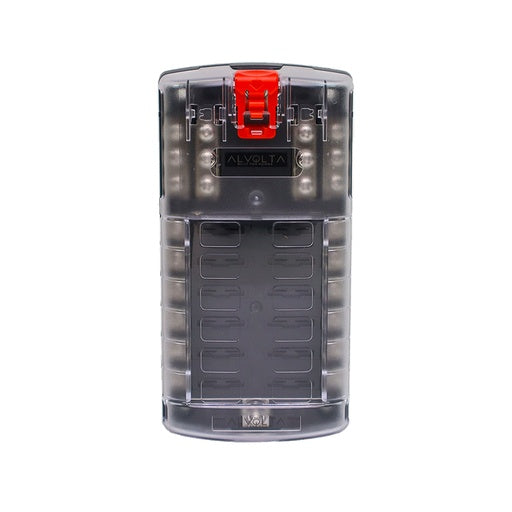
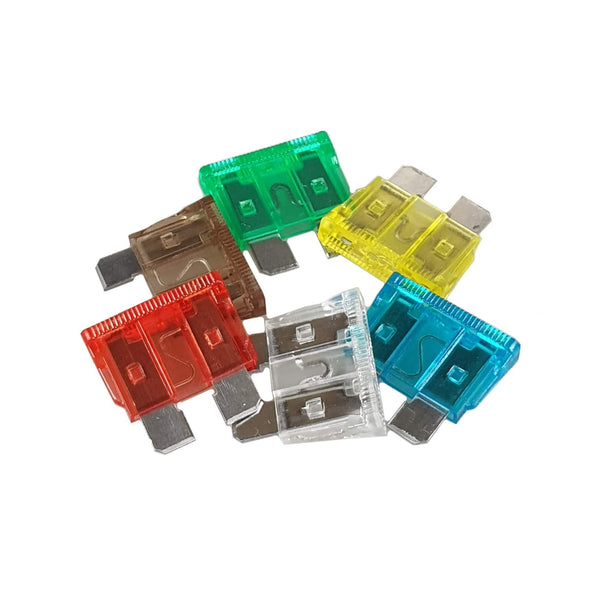
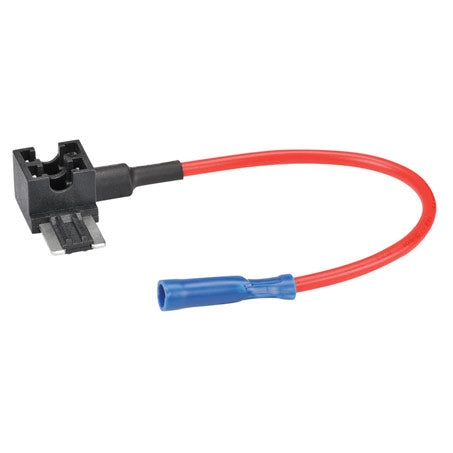
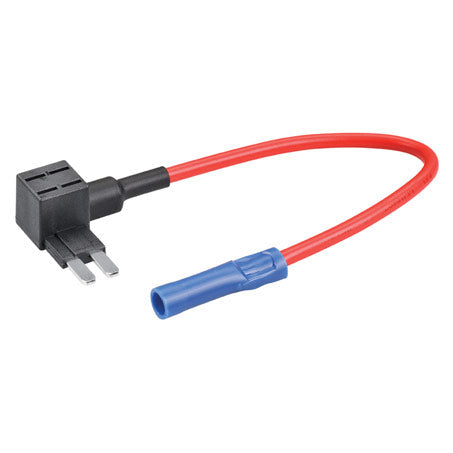
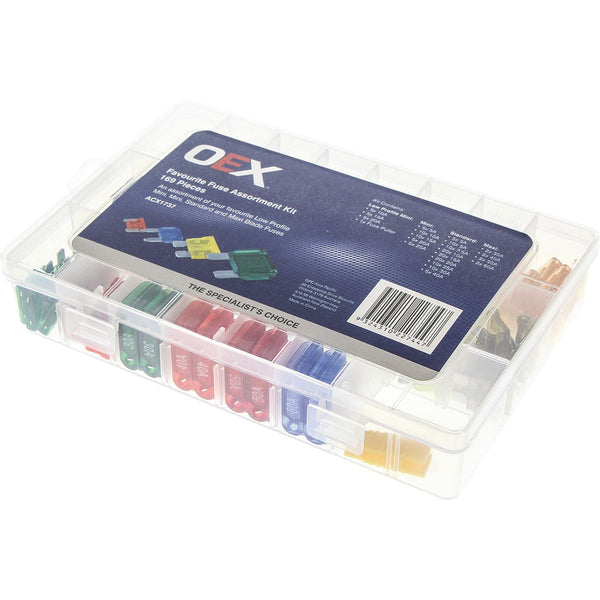
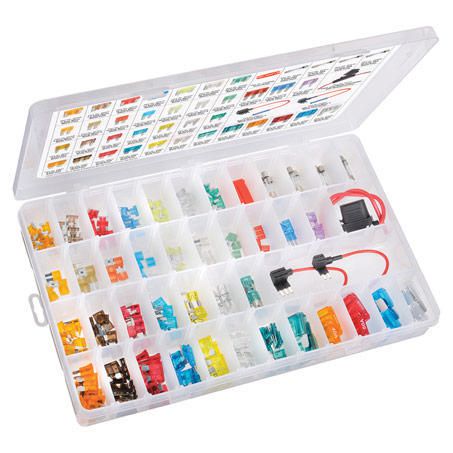
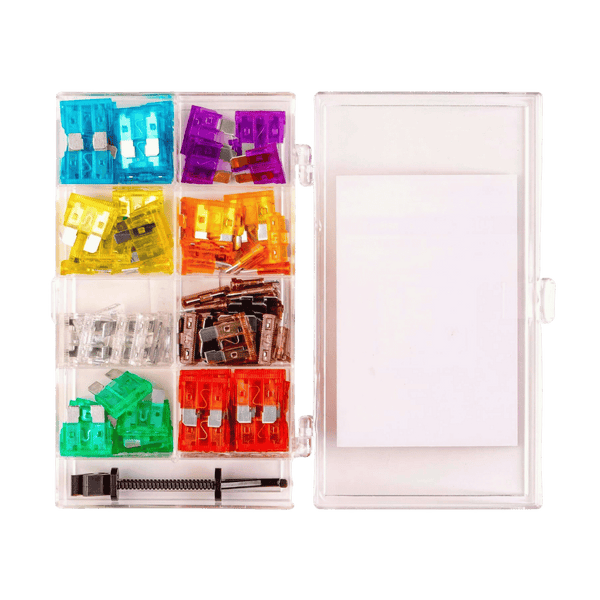
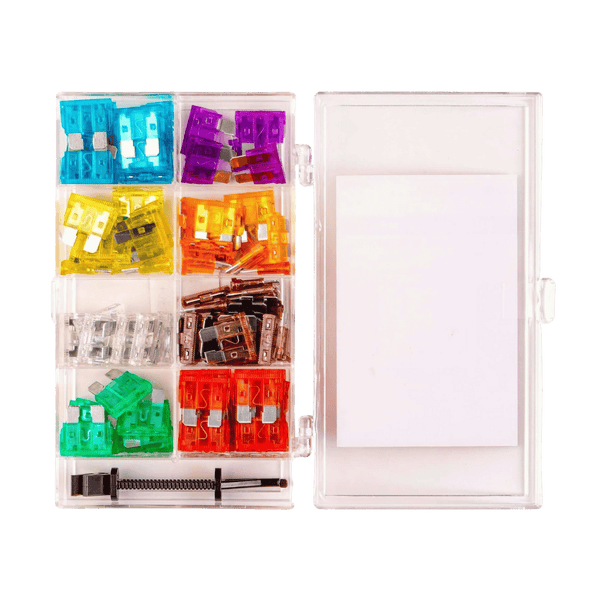
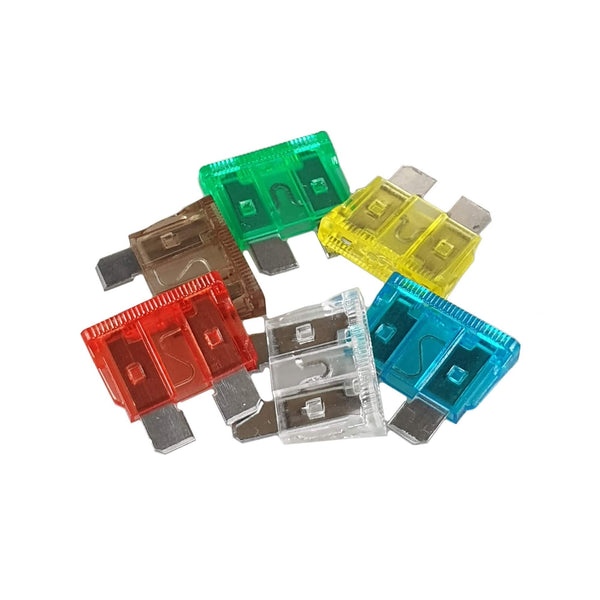
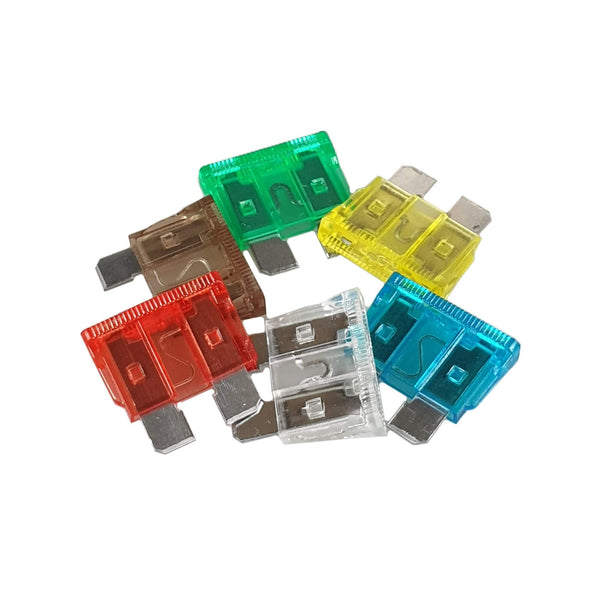
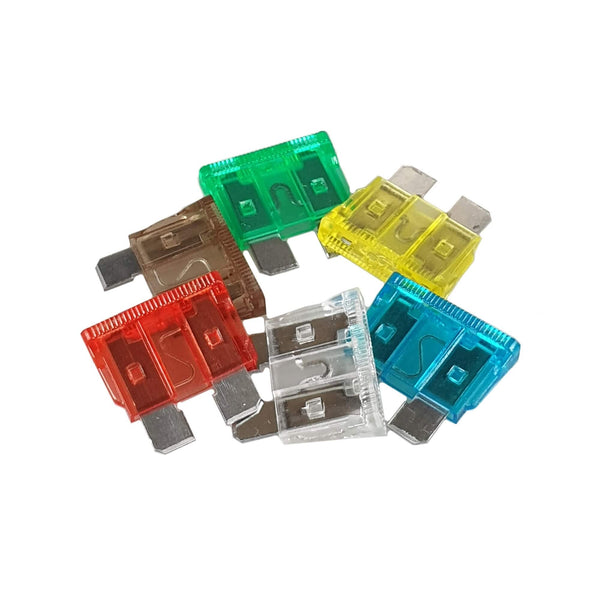
Blade fuses. Standard, mini, micro and maxi blade fuses handle the low-current accessory side — lights, fridges, USB outlets, water pumps. Run them from a 6 or 12 way fuse block rather than individually back to the battery.
Circuit breakers sit across all three ranges and reset rather than blow. They cost more up front but suit anything that occasionally nuisance-trips on inrush, like winches and inverters.
Not sure which you need? Bring us the cable size and the load, or call and we will work it out with you.
What is the difference between a Midi and a Mega fuse?
Size and current rating. Midi fuses are the smaller bolt-on type, typically 30A to 200A, and are what most dual-battery and DC-DC charger circuits use. Mega fuses are physically larger and handle 100A to 300A and beyond, which suits inverter feeds, winches and main battery-to-busbar cables. They are not interchangeable — the bolt spacing and holders are different, so buy the fuse and holder as a matched pair.
Are ANS and ANM the same thing as Midi and Mega?
Yes. ANS is the technical designation for what everyone calls a Midi fuse, and ANM is the Mega fuse. You will see both names used on packaging and in catalogues, sometimes as AMI and AMG as well. If a supplier quotes you an ANS 100A, that is a 100A Midi fuse.
What size fuse do I need for my dual-battery system?
Rate it to the cable, not the charger. A 40A DC-DC charger on 6 B&S cable usually takes a 60A to 80A Midi fuse at each end — big enough that normal charging never trips it, small enough that it still protects the wire. Undersize the fuse and it nuisance-blows; oversize it and the cable can melt before the fuse ever notices. Tell us your cable size and charger rating and we will size it properly.
Where exactly should the fuse go?
As close to the battery terminal as you can practically mount it, on the supply end of the cable. Everything between the battery post and the fuse is unprotected, so a fuse fitted a metre down the run leaves a metre of cable that can short to chassis with nothing to stop it. On a dual-battery run with a battery at each end, fit a fuse at both.
Should I use a fuse or a circuit breaker?
A fuse is cheaper, smaller and completely reliable, but it is a one-shot device. A circuit breaker resets, which makes it worth the extra cost on circuits that occasionally trip from inrush current — winches, inverters, compressors — or anywhere awkward to reach. For a set-and-forget dual-battery feed, a Midi fuse is usually the better buy.
Do I need a fuse on each solar panel?
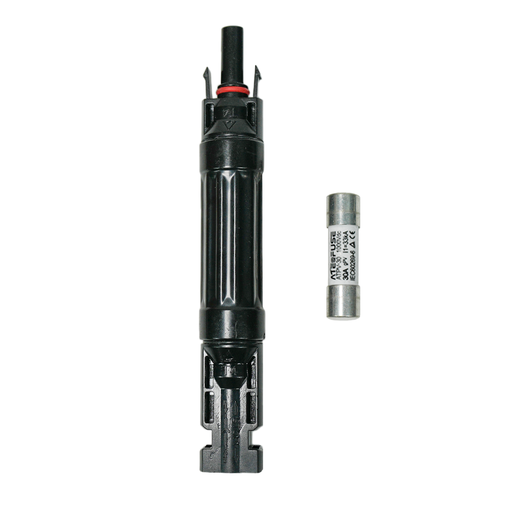
Once you have more than two panels wired in parallel, yes. With three or more strings, a fault in one panel can be back-fed by all the others, and the panel wiring is not rated to carry that. In-line MC4 fuses on each string solve it. Two panels in parallel generally do not need string fusing, though the run into the regulator still should be protected.
Tell us the cable size and what the circuit is running, and we will match the fuse, holder and mounting to suit — or make up the fused lead for you.